
What’s a chypre? And how to make one that people actually like
Here’s something Sarah shared on Patreon last year that many of her members found interesting, so we’ve decided to make it available for anyone who’d like to read it. It’s a general overview of chypres: what they are, the key material you need, and the supporting ones too. She also explains how to make a chypre that people will actually like. And if you’re interested, you’ll find out her all-time favourite citrus chypre.
For Patreon members, there’s a chypre heart formula and ideas on what to do with it and how to make it their own.
What’s a chypre?
One of the requests I've had is to explain what different kinds of perfumes are, and chypres were mentioned first.
It is pronounced a little like sheep-rrr with a kind of purring noise on the end. Sometimes if I say it too quickly people think that I've made a perfume for sheep.
Chypre is the French name for Cyprus, but master perfumer Christophe Laudamiel says that it's also Sardinian dialect for oak, and as oakmoss is the one key material that defines chypre fragrances, then perhaps they are really named after the oak tree.
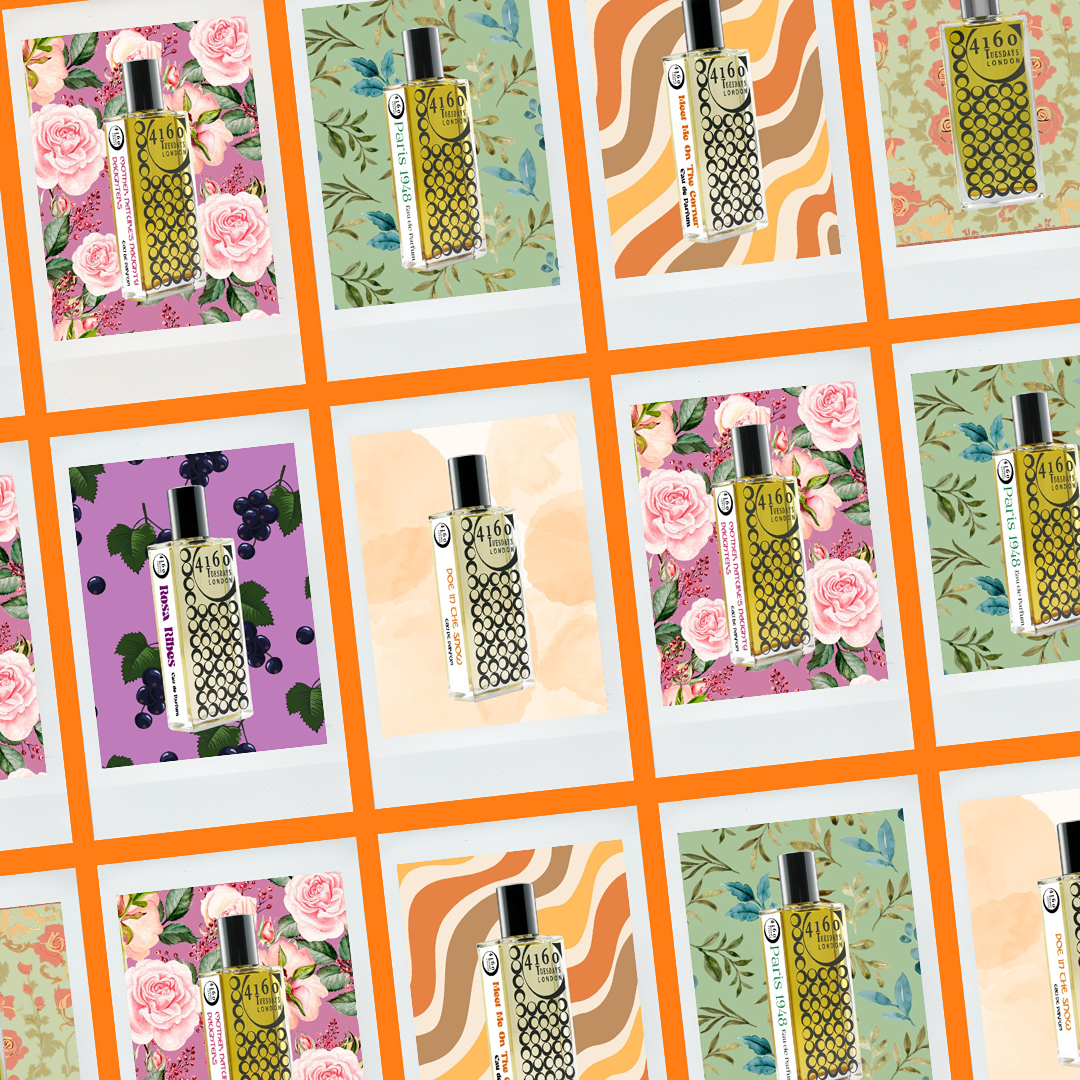
Famous chypres include Mitsouko, Femme de Rochas, Aromatics Elixir and the original Miss Dior, and we've some classics at 4160Tuesdays, Lady Rose Lion (Monkey Unicorn), Doe in the Snow and Paris 1948, then some modified ones including Rosa Ribes, Drive Them Wild and Mother Nature's Naughty Daughters. Meet Me On The Corner is the new one I'm working on now. (if you’re interested in any, we will link to the available ones below).
When I made Scent Trunk's first 49 fragrances, they had asked for the definitive classic chypre - which I advised against, but they insisted so I made one. Then they asked me could I make a better one that people liked. I asked for their data, and they told me that only 4% of their customers liked the chypre, but those who did gave it a 96% rating. So the answer was no, I probably couldn't come up with a better classic chypre; it was just that hardly anyone likes them. A fragrance with a hint of oakmoss though, so that hardly anyone notices that it's there, you've got a chance of making something deeply delicious.
Oakmoss smells as little as if you have tripped over your shoelaces in a forest and fallen face down in some mossy undergrowth. By itself, for the first time, it smells strange. Some people mention that it smells medicinal, like antiseptic. Then it gets deeper and smoother.
Why put it in a fragrance? (We've no idea who did it first.) To take some metaphors, it gives it roots, depth, it feels as if it has an internal structure or maybe even a soul.
Why not put it into a perfume? Because for some people it smells musty, ancient, old fashioned. It needs to be carefully balanced.
Oakmoss is an allergen and the worst irritant parts of it are natural compounds called atranol and chloroatranol. These are now extracted, and all perfume companies who want to sell safe legal perfumes must use the new oakmoss with these two compounds removed. It really doesn't make much difference to the aroma, so don't let the doom merchants tell you that all chypres are ruined. (They are often discontinued because not enough people like them, not because of the regulations.) Oakmoss is allowed at 0.1% in a finished fragrance and to be honest, if you get up to that level you are seriously nose deep in the forest floor.
It's not all about oakmoss though; a chypre accord is usually made with a small amount of oakmoss, plus patchouli, bergamot, and one or more of the ancient balsams like opoponax and labdanum. More of these in the future, but this is a 100% natural accord which has been around for a couple of hundred years.
Then we have citrus chypres with a huge splashes of lemon and grapefruit, there are usually woods in there - cedar, sandalwood and rosewood, or their synthetic equivalents - the peach note from gamma undecalactone, rose, geranium, jasmine and tuberose are often in the middle and they sit upon clouds of softening, synthetic musks. Rosa Ribes is a blackcurrant rose chypre, with citrus fruits and woods.
Given the opportunity I would probably put a drop of oakmoss absolute into everything I make, and there's an alternative too. If you want to go up to the limits of oakmoss and beyond, you have Veramoss (TM), also called Methyl Atratate, an aroma compound that also smells mossy and currently has no restriction on it.
Veramoss was used in my all-time favourite citrus chypre, Diorella, and as I've said before, if it's good enough for Edmond Roudnitska, it's good enough for everyone.
At this point, we share a straightforward formula for a chypre heart, but this is for Patreon members, because we have to save something for them.
Over on Patreon, you can see the different tiers available. Come join us, everyone is welcome in Sarah’s perfumery world - Scenthusiasm by Sarah McCartney
Here are the 4160Tuesday chypres mentioned here:
Take care,
Sinead, Sarah & Team Tuesdays
Comments