How we come up with our perfume names
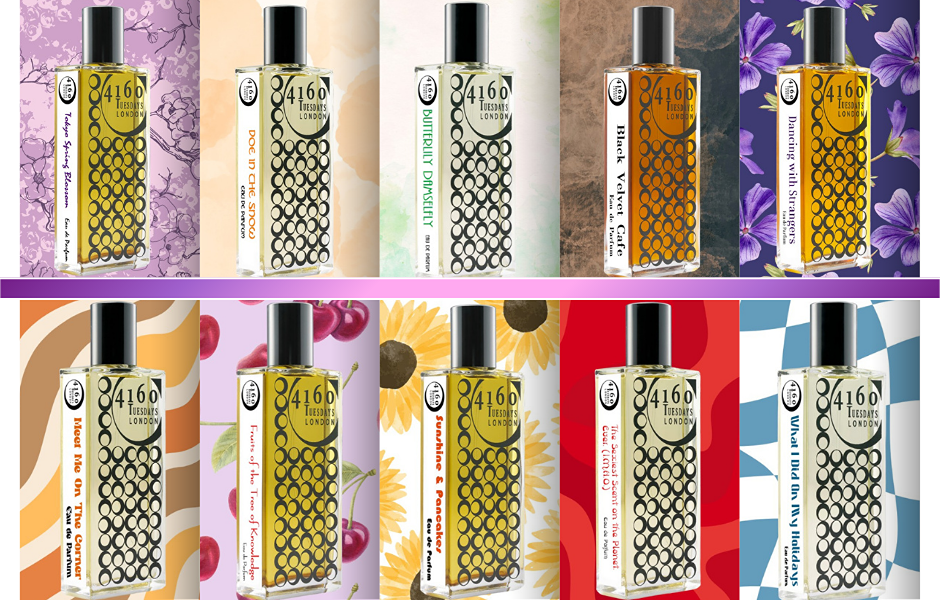
While reading through some things Sarah has written over the years, I came across this particularly interesting piece, so I thought I’d share. It’s about what she thinks about when naming a new fragrance, and how she figured out what’s important in the naming process. As we all know, Sarah comes up with some rather intriguing fragrance names, but as always, there’s a method to her madness.
There’s also a very useful list of questions that will get you thinking in the right way.
It’s most useful if you’re starting a perfume brand or possibly a new collection. It’s somewhat useful if you need to name some other type of product. And it's not useful at all if you're not in the business of naming products, but in that case, it’s just a bit of an interesting read. Here it is:
When you're thinking about naming a fragrance, where do you start?
Niche fragrance companies are advised to start with a "concept" and four to six fragrances, which will all have a theme. Back in 2013, I had my Vintage Cities collection: Rome 1963, New York '55, London 1969 and Paris 1948. Other years and cities collections have appeared since then too. Zoologists have their animals, and now it's quite difficult to claim an animal name without looking as if you're trampling on Victor Wong's toes.
If you go the conventional niche route with your four to six, it's a good plan to imagine what the next four to six might be. I've seen a niche brand named after the official colours of Italian racing cars. There's one niche brand that takes emotions for names, usually borrowed from brands which have long since gone out of business.
You might want to consider how they translate into other languages, or if they are pronounceable in languages other than your own. On the other hand, you could be like Guerlain, unapologetically French, amusing themselves as English speakers struggle with Guet-Apens or Epices Exquises.
Another good plan is to search Fragrantica and Basenotes to see what's already taken, then check on your government's trademark website for registered names and designs.
I've seen naming from both the artisan and corporate sides, with Lush and a branding company working for Twining's and other international brands.
At Lush, the product inventors would usually name their own creations, unless they had inadvertently chosen one which was already taken or they needed help. In an informal collaborative bun fight, members of the 40-strong creative group would throw their ideas into the centre of the room, and the directors’ favourite would win.
Corporate naming is so much more serious, because branding agencies will charge in the region of £20K for a consultancy project and recommendations.
Long lists of partial rubbish
When I was first part of a naming team, I gave it a lot of thought, looked up the UK trademark registered, did a load of editing and presented my six best ideas. Big mistake. What I was supposed to do was demonstrate how hard I had been working by listing hundreds of different words, grouping them by category and not worrying at all if they were already in use. Fortunately these were all in my notebook - except the ones which belonged to other brands because I thought that was a waste of time - and put them back into the initial document.
My project manager was right. The team's collected word list was presented to the clients, who shortlisted some words that I thought were absolute rubbish and would have been ashamed to write down or say out loud for looking like an idiot. Never assume.
The time after that I produced pages of them. The final choice wasn't one of my suggestions; it's an adapted word - or two words - with an inappropriate apostrophe: In'fuse. Twinings loved it, and I got paid for contributing, so it all worked out beautifully.
There are more and more made-up brand names, words which mean nothing in any language, so they can't be offensive. This is not new though; Kodak was a made-up word. Invent some of your own if you want total originality.
Questions to ask yourself
When you're naming, here are some points to consider:
What do you want the name to evoke?
Is the meaning important?
Is it already taken? (If so does it matter?)
Do you need help from professionals or friends?
Does it mean something wrong or weird in another language?
Do you have a concept? Does it fit?
Is it one of a series? If so, is the series extendable?
Is it memorable?
Have you tested it yet?
What's the perfume name you wish you owned?
Which is your least favourite? Why?
Where are you on your naming path?
Do you need help?
If you found this helpful, visit Sarah’s Scenthusiasm Patreon. It’s full of people interested in perfume, some interested in getting to know it, others in making it. It's a nice place to be.
Sinead, Sarah & Team Tuesdays
Comments