Just add time
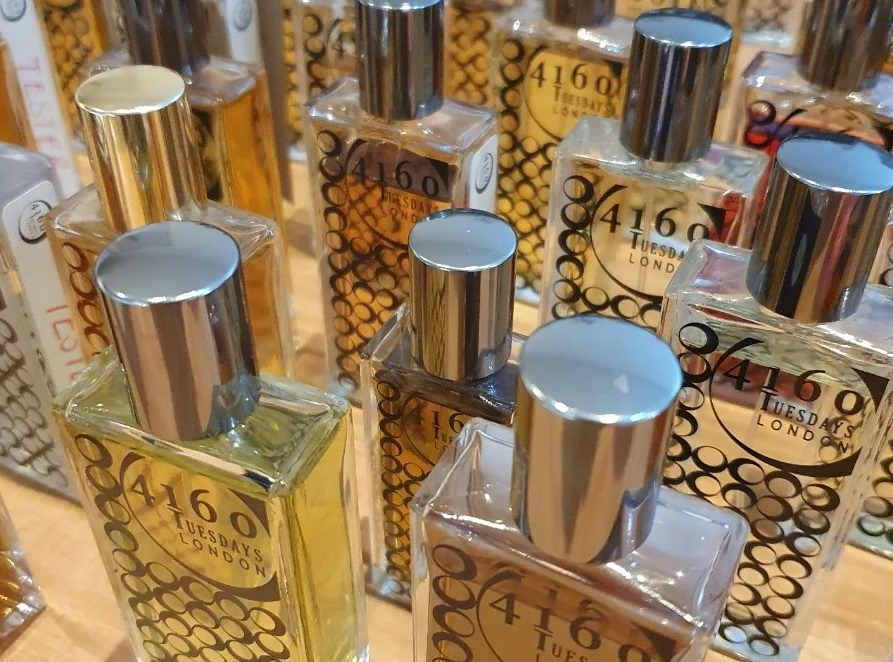
If you are creating something, a perfume, a painting, a dress, a meal, anything at all, it’s about knowing when it’s time to stop. Or at least when to give it some time, rather than doing anything else just yet. This is something Sarah has to remind people of regularly when they are working on a new formula.
Sometimes the less complex option turns out to be far more wonderful than adding a few more things to make it ‘interesting’. One of our best-selling scents, The Sexiest Scent on the Planet Ever (IMHO), is made with only four materials: bergamot, vanillin, Iso E Super and Cedramber. Sometimes we take it on adventures and make modifications to it, but the uncomplicated original version is still the favourite.
Here’s something Sarah wrote a while ago about the need to just add time.
Just add time
"As I always tell people who come to my live classes - Zoom or in person - backed up by my favourite book on perfumery by Calkin & Jellenik: the best way to start is by blending two materials together. Only add more if you need to. Perfumery can be a bit like spinning plates.
You don't necessarily make a perfume more interesting by adding more materials, and they don't always have the effect you're expecting.
So many times I hear, "It was just about right, then I added a thing and I ruined it. What else shall I add to put it right?" But the answer is not to add something else, it's to remake it and stop where you thought it was almost perfect, leave it for two weeks and see if perfection materialises.
Sometimes what's needed is time.”
Another benefit of adding time is that what already seems utterly beautiful can become even more so. Sarah often has to explain that time changes a fragrance when someone comments that their brand-new bottle of a fragrance doesn’t smell the same as the final drops of their five year old bottle.
Here’s something else Sarah wrote some time ago about another advantage of adding time:
Maceration, Maturation and Ageing
“I had a client visit this week about two perfumes I made for her five years ago, and the new batches I had just rushed through for her because she wanted them urgently. She had messaged to say that two of her friends were very disappointed when they bought the new bottles because they were not the same as the drops of five year old fragrance left in their old bottles, and they liked the old one better. This was a deep amber, vanilla, musk and jasmine led fragrance that will be fine for five years (although legally we all have to mark the bottles as good for a maximum of 36 months after opening). "I love my perfume, and it's not the same!" she said. Finally, when I showed the batch sheets and demonstrated that they were made out of the same materials, I got her to acknowledge that if she wanted a five year old perfume she would have to age it for five years. Thierry Wasser of Guerlain said at a Selfridges event that he wishes all their fragrances could be macerated for two years before being sold, but that's not possible. His PR people looked daggers at him. There are many small bonds taking place on a molecular level, not reactions as such, I just call them friendships forming in an unscientific way, and perfumes do become more mature, like cheese, but then it all starts to fall apart, and if people want to risk ruining their fragrances by allowing extra oxygen in and basically breaking them, it's up to them. Big brands do release them ASAP, as warehousing is expensive. I like at least two months for maturation and two more for maceration. I could write another several pages worth, so I'll stop now.”
How much time is needed depends on the person, the item and the situation, but it does seem that adding time is almost always the right thing to do.
Comments