How to scent a space
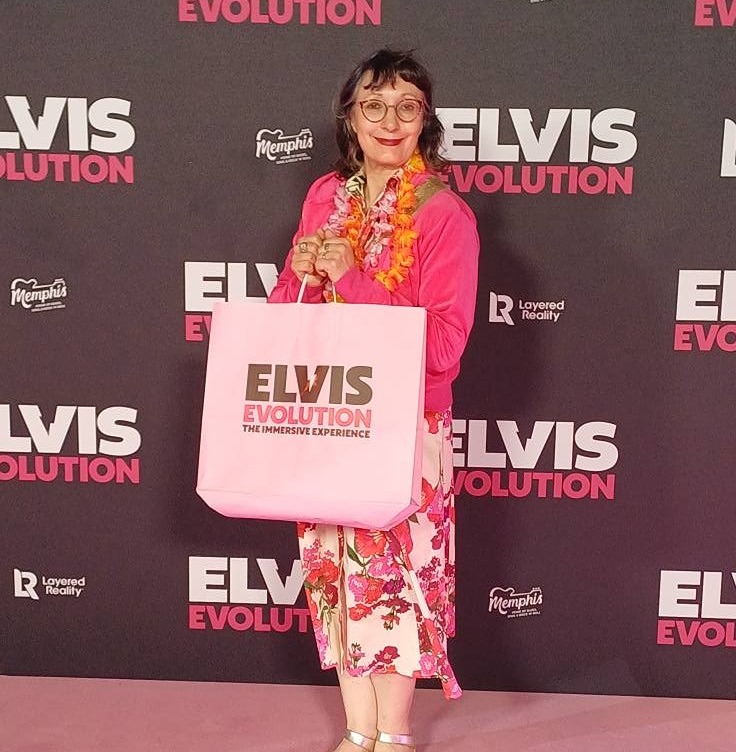
We all know that Sarah makes fragrances for us to wear on our skin, our clothes, our hair - to wear to work, on an evening out, on a walk in the park or even to bed. But she also makes scents for places and events. A recent one you may have heard about is the scent of Elvis’ dressing room she created for Elvis Evolution, the immersive experience based on the life of Elvis Presley.
There is an additional challenge when you want to scent a space. Often there’s a very specific time, place or situation you have to convey. It’s usually just one part of a larger project, and it must fit in seamlessly, not just to your nose but to everyone else involved.
Once you and everyone else are happy, you then need to figure out how to get it to fill the space evenly, while watching out for certain things, such as allergens.
And something I hadn’t thought about: you then need to be able to unscent the place too.
Here’s something I found that Sarah wrote about it some time ago. I found it interesting, so why not share:
How we’ve scented spaces
The issue is not scenting a space, it’s unscenting it again.
But as long as they are added in the right order it all goes nicely.
Room spray: 2 x 50ml sprays filled the entire space at St John Smith Square really easily.
It's big.
Cloth holds fragrance really well.
Put it on performers' clothes, when musicians are close to the audience.
Cover sheets of cloth with fragrance then turn the fans on works too.
That’s how we made the aroma of a shipwreck for The Shipwrecked House, with the cloth billowing out like clouds.
Arm bands. Visitors choose the aromas they want for the evening and spray on a combination. We used this for a classical concert.
Scented book pages.
Scents in boxes.
Paper flowers sprayed with fragrance.
Big round paper lampshades with fragrance inside.
Perspex pods to walk into.
Paper with encapsulated fragrance on the floor so that when it’s trodden on it releases its aroma. (Imitating the lavender and rosemary spread on concert hall and church floors in previous centuries to block out the aroma of the unwashed.)
Other things available: professional machines with capacities of up to several thousand cubic metres.
Bubble Machines - you can have scented bubble mixture, and/or fill bubbles with scented smoke.
Things to watch out for
They can spook people. If you get someone who believes that perfume is poisonous (I meet them) then they can be alarmed by any aroma they are not expecting.
If people can see the aroma being sprayed, they tend to get more spooked than if they can’t.
There’s an inherent fear of breathing in something that might be dangerous.
Actual allergens: as far as possible, use safe synthetics, not essential oils. Essential oils are produced by plants as defence mechanisms. Consult a member of IFRA or someone who has access to all the safety data you need to make sure that your fragrances are safe.
You can’t just stick essential oils out there and assume it’s fine because they are natural. Nature makes all the best poisons, and all toxins are - by definition - natural. (This is not what marketing tells us.)
Tell everyone in advance that they are to expect aromas, especially if they are interesting and unusual.
Comments